By 2040, the Netherlands will need approximately 110 gigawatt-hours (GWh) of battery capacity. That’s more than 50 times the capacity available at the end of 2025. Households can also play a role in this. They’ll receive compensation if they help absorb peaks.
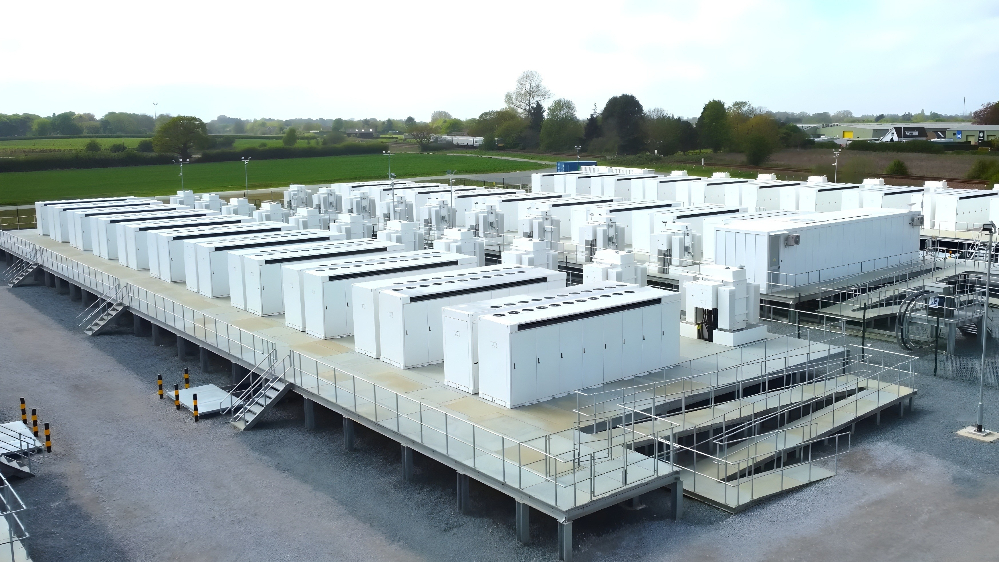
To reach that 110 GWh target, the government, together with grid operators, Energy Storage NL, local authorities, and the ACM, has made agreements to significantly scale up the number of large batteries in the Netherlands. Minister Van Veldhoven and State Secretary De Bat (Climate and Green Growth) wrote this in a letter to the House of Representatives.
Helping out when demand is high or low
Large batteries and other forms of energy storage are important for storing renewable energy and using it when, for example, there is less wind or sunlight. This helps better align supply and demand and also helps prevent problems on the overloaded power grid. This is because the batteries can step in when there is high or low regional demand for electricity. Moreover, more grid-aware energy storage can significantly reduce the necessary investments in the power grid and make the energy system in the Netherlands more robust and resilient.
Policy agenda developed in collaboration with the sector
The energy storage sector is growing in the Netherlands, but not yet fast enough to reach the target of 110 GWh. The government has therefore drawn up an Energy Storage Policy Agenda together with Netbeheer Nederland and Energy Storage NL, in collaboration with the ACM and local governments, to address the most significant bottlenecks. In this agenda, the parties have agreed on 25 actions to significantly scale up energy storage capacity in the Netherlands.
Among other things, the parties have reached agreements on how grid operators, the energy storage sector, and regional governments can issue permits for large batteries more quickly. They’ve also agreed on how to establish fair terms and compensation so that energy storage can help prevent grid overloads. For example, by connecting large batteries to the grid with a flexible contract as standard.
Reimbursement for Home Batteries
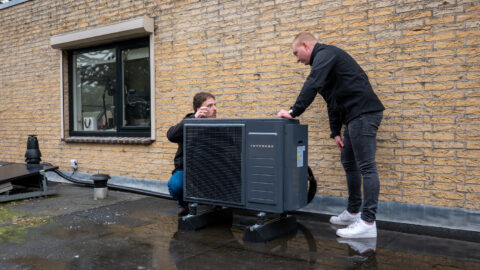
Households with home batteries can also play a role in this. They can receive compensation from their energy provider if they help absorb peaks in the power grid using their home battery, heat pump, or charging station. For example, these devices can automatically store more electricity when demand is low and feed power back into the grid during peak times.
Households can already participate through a number of energy providers in certain regions. The rest of the Netherlands will follow next year.

This is an article from Construction and Installation Hub. Want to keep up with all the news from the construction and installation industry? Then take a look at the hub and sign up for the online community.
↗