Anyone entering a modern building will not see any pipes or cables. Yet water, energy, data and climate control are constantly working together. What for years were separate worlds are rapidly growing into a single integrated field. The question is not whether this will happen, but how fast.
The installation sector has undergone a quiet revolution in the past twenty years. Whereas electrical and mechanical installations, including water technology, were traditionally designed, constructed and maintained as separate disciplines, the boundaries have become increasingly blurred.
The installation sector has undergone a quiet revolution in the past twenty years.
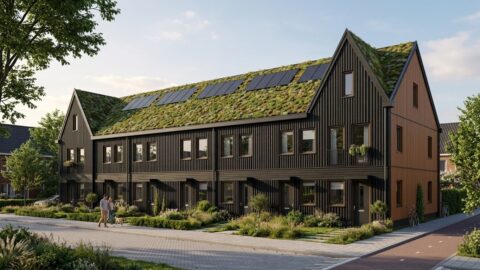
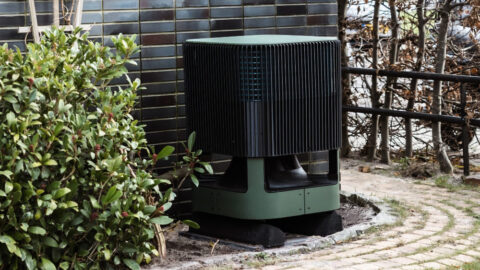
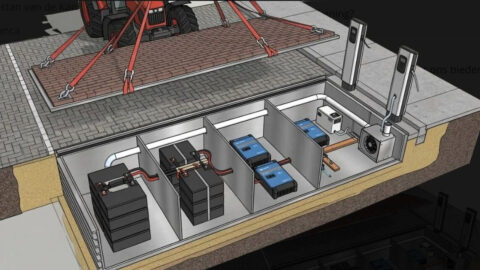
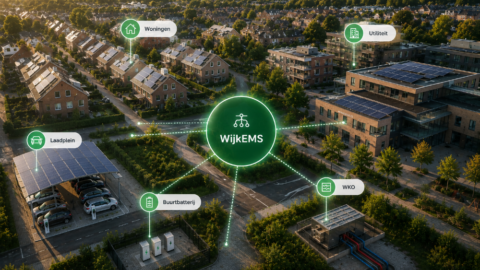
The first major accelerator was sustainability. The emergence of heat pumps, solar panels and energy management systems made it clear that water and energy systems no longer function separately. A heat pump heats water but runs on electricity. A smart water heater responds to the availability of solar energy. And a building management system digitally connects both worlds.
Digitization and data flows
Digitization has added to this. Sensors measure water consumption, energy performance and indoor climate. Data increasingly determines how installations function. Today's installer must therefore not only understand pipes or cabling, but also software, data and automation.
As a result, more and more hybrid jobs are being created. Engineers work on complete energy systems, engineers design integral building concepts, and service technicians analyze performance remotely. The disciplines are not only merging into one another; they are already being approached as a single system in many projects.
Looking at this development, a complete fusion seems inevitable. Not because the separate subjects are disappearing, but because the market increasingly demands professionals who understand the whole. By 2035, the distinction between water, electrical and climate engineering could largely be replaced in daily practice by a single overarching discipline.
Smart Utility Engineering
An appropriate name? Smart Utility Engineering. A sector in which water, energy, data and comfort come together in smart, sustainable systems.
That is precisely what makes the profession attractive to young people. It combines engineering with digitalization, sustainability with innovation and practice with high-tech. You work on solutions to energy challenges, water savings and smart buildings. No day is the same and the impact is immediately visible.
The installer of the future doesn't just repair a system. He or she designs, connects and optimizes entire living environments. And with that comes a new generation of technicians who are literally building the world of tomorrow.